TCVM Food Therapy
Where ancient dietary wisdom meets your pet's individual constitution.
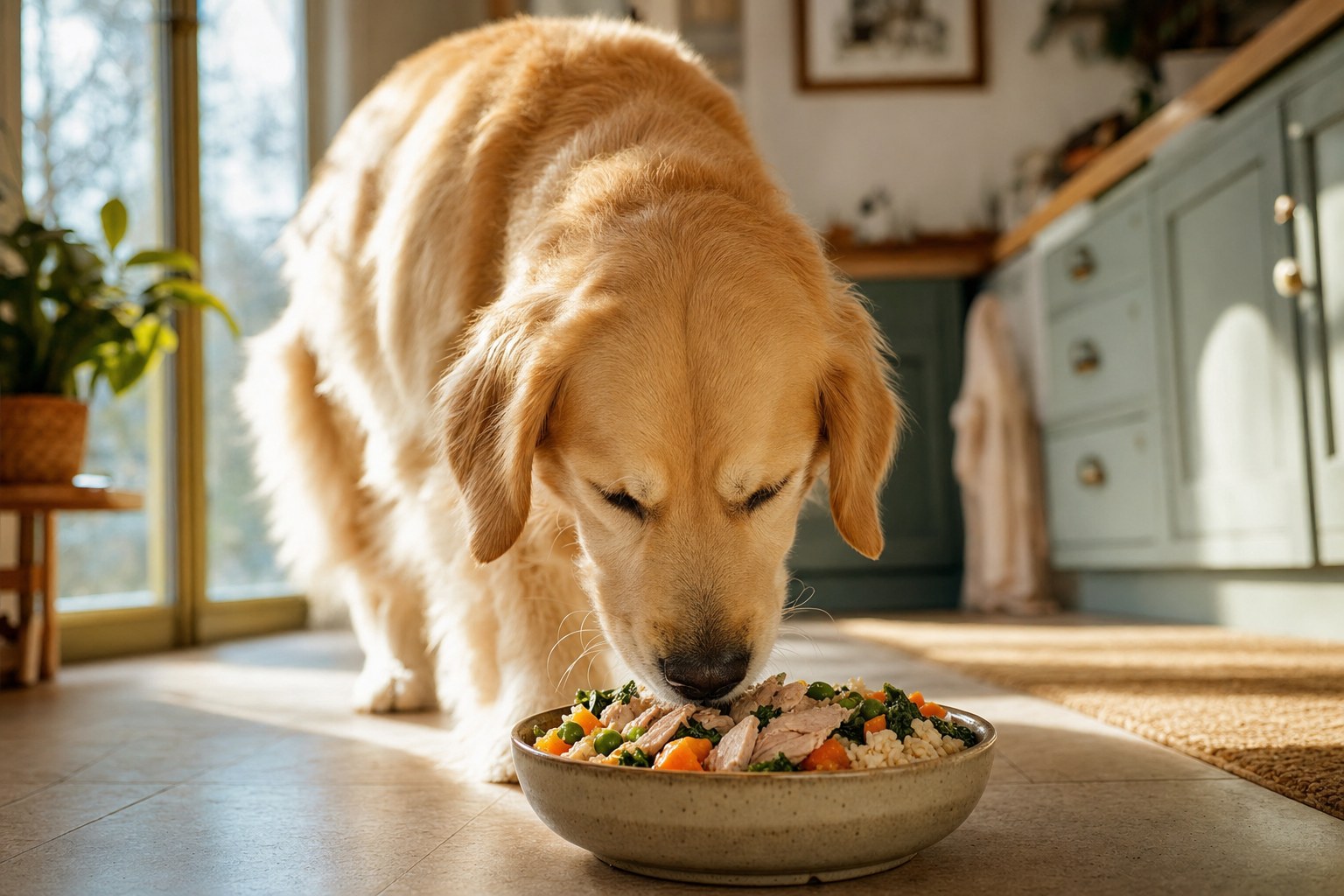
Every Meal Is an Intervention
In Traditional Chinese Veterinary Medicine, food is not simply calories and macronutrients. Every ingredient has a thermal nature (warming, cooling, neutral), a flavor that acts on specific organ systems, and a directional quality that affects how energy moves through the body.
When we understand your pet's TCVM pattern — Kidney Yang Deficiency, Liver Qi Stagnation, Spleen Qi Deficiency — we can select foods that directly address that pattern. The result is a dietary protocol that works as medicine, not just maintenance.
This is not generic "raw food vs. kibble" advice. It is a precise, individualized protocol written for your pet's name, breed, age, constitution, and pattern — and updated as they improve.
What to Expect
01
Comprehensive Intake
Before your consultation, you'll complete a detailed intake form covering your pet's full history, current diet, supplements, medical conditions, behavioral traits, and any previous diagnostics. The more we know, the more precise the protocol.
02
TCVM Pattern Assessment
During your 45–60 minute consultation, we'll discuss your pet's constitution, seasonal tendencies, energy patterns, and any signs of organ system imbalance. This assessment determines which food categories will support versus aggravate your pet's specific pattern.
03
Written Protocol + Follow-up
Within 48 hours, you receive a complete written food therapy protocol: recommended proteins, vegetables, grains, and therapeutic additions; foods to avoid and why; and implementation guidance. A 2-week check-in follows automatically.
Is TCVM Food Therapy Right for Your Pet?
Food therapy is appropriate for virtually any pet, and particularly effective for:
- ✦ Pets with chronic inflammatory conditions (arthritis, IBD, skin disease)
- ✦ Dogs and cats with kidney, liver, or metabolic disease requiring dietary modification
- ✦ Overweight or underweight animals where constitution matters as much as calories
- ✦ Pets receiving cancer treatment who need immune and nutritional support
- ✦ Senior animals experiencing age-related organ deficiency patterns
- ✦ Any pet owner who wants to use nutrition as a proactive wellness tool
Three Holistic House-Call Tiers
Every TCVM Food Therapy visit is delivered as an in-home Holistic House-Call. Choose the tier that fits your pet’s needs.
Foundation
In-Home Food Therapy Foundation
Focused in-home TCVM nutrition house-call with a written starting protocol.
- 30-min in-home consultation
- TCVM constitution assessment
- Written food recommendations
- Food energy & flavor guide
- 7-day email follow-up
Signature
Custom Food Therapy Plan
The full in-home TCVM food therapy experience.
- 75-min in-home consultation
- Full TCVM pattern diagnosis support
- Custom seasonal meal plan
- Recipe portfolio (3 rotations)
- Supplement protocol
- 30-day follow-up included
Concierge
Ongoing Wellness Partnership
Quarterly in-home visits with seasonal protocol updates.
- 4 in-home visits (quarterly)
- Seasonal protocol updates
- Priority scheduling
- Unlimited email access
- Vet coordination included
- Annual wellness summary report
Travel Fee: In-home visits include a travel fee of $65–$95 within the Greater Tampa Bay area, based on distance and quoted at booking.
Prefer to start remotely? Telehealth-only sessions remain available on request — a separate remote option, not one of the three tiers above. Learn more about our Holistic House-Calls →
TCVM Food Therapy FAQ
Yes — food therapy can often be applied within the constraints of a prescription diet, or can inform a conversation with your vet about whether the current diet is the most appropriate choice for your pet's pattern. We always work within your veterinarian's medical recommendations.
No. TCVM food therapy is not raw feeding advocacy or any particular diet ideology. It is pattern-based — we work with whole foods, commercial foods, and home-cooked options depending on what is practical, safe, and appropriate for your specific pet. The goal is therapeutic precision, not philosophy.
A veterinary nutritionist works from the Western nutritional science framework — macro ratios, micronutrient requirements, AAFCO standards. TCVM food therapy works from the energetic and pattern framework of Traditional Chinese Medicine. They answer different questions, and ideally, both perspectives can inform your pet's care simultaneously.
Acute digestive issues can respond within 1–2 weeks. Chronic inflammatory conditions typically show meaningful change at 4–8 weeks. We build a 2-week check-in into every protocol so you're not guessing — and we adjust if needed.
Ready to Change What's in Your Pet's Bowl?
Book a TCVM Food Therapy Holistic House-Call — delivered in-home across the Tampa Bay area.