Canine Rehabilitation
Evidence-based movement medicine — assessment, protocol, and guided recovery.
Movement Restored, Function Rebuilt
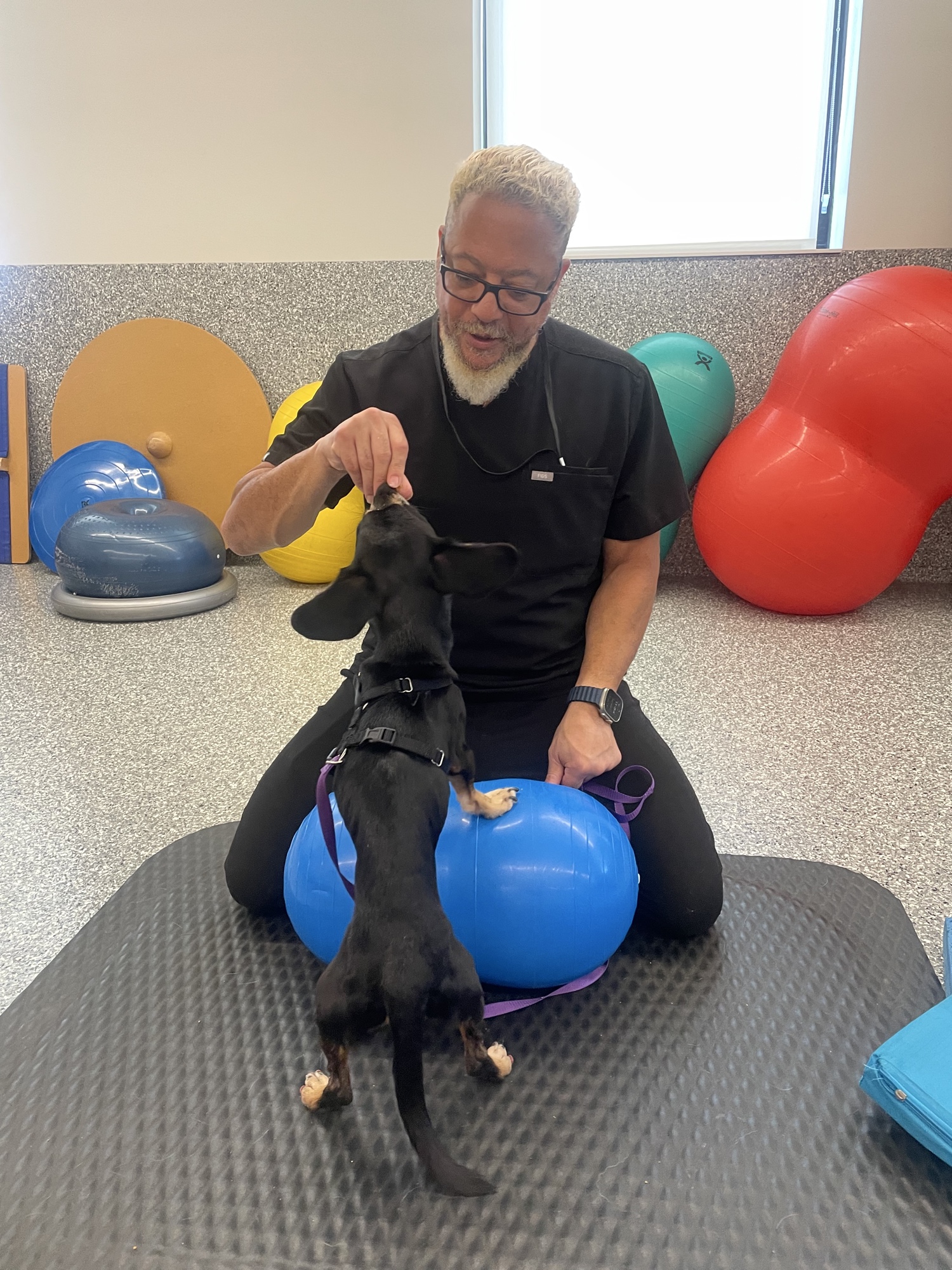
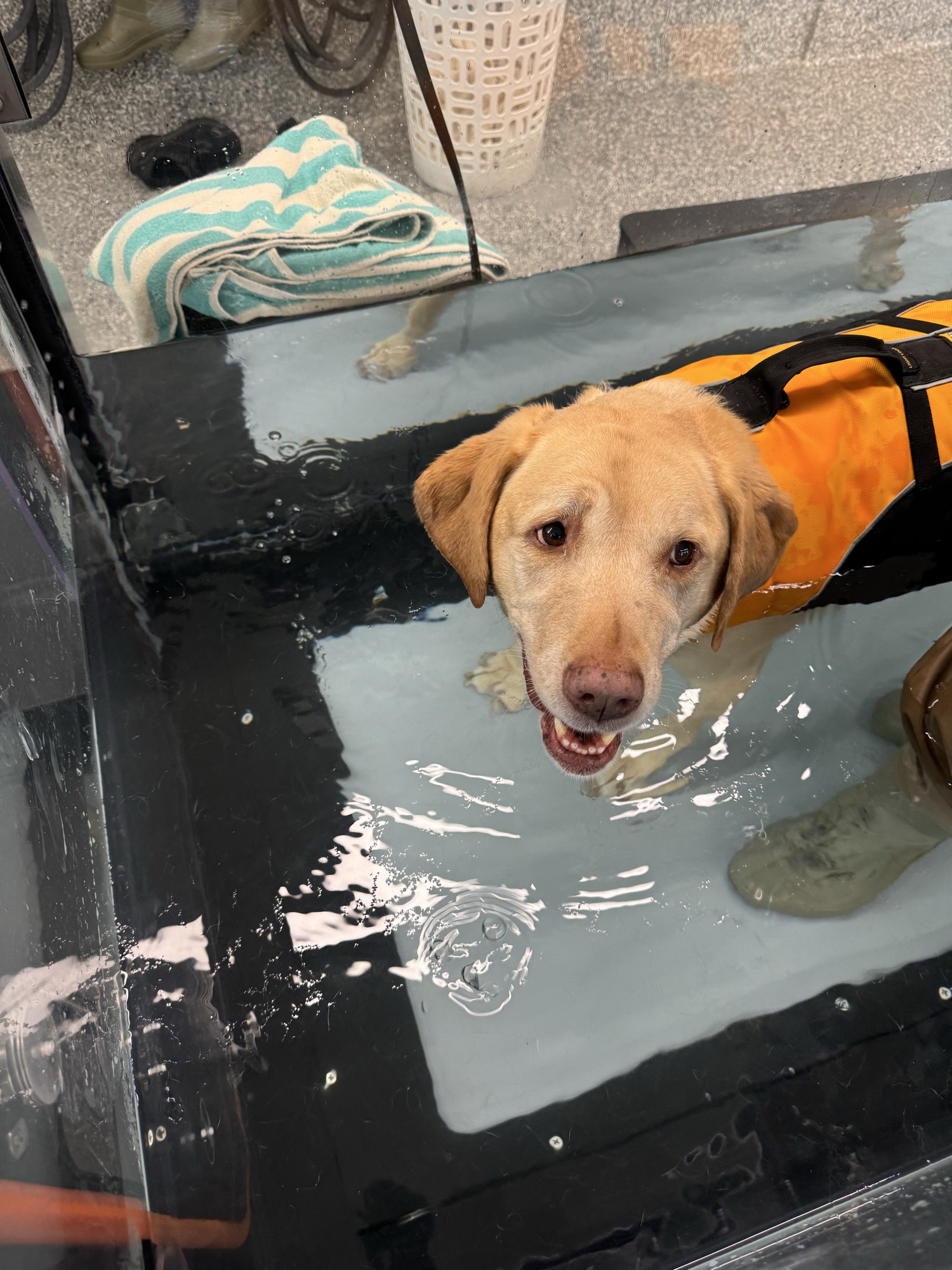
Canine rehabilitation is the veterinary equivalent of physical therapy — applied through the lens of the Certified Canine Rehabilitation Veterinary Assistant (CCRVA) framework developed at Chi University. It is evidence-based, outcome-oriented, and deeply practical.
Most dogs who plateau after surgery aren't failing to heal — they're compensating. They've learned to offload the injured limb, recruit other muscles, and alter their gait in ways that prevent full recovery. Identifying and correcting those patterns is what rehabilitation does.
Every consultation includes a written home exercise protocol with step-by-step instructions — designed to be done by you, at home, between sessions. We build the program around your schedule and your dog's current capacity.
What to Expect
01
Movement Assessment
We evaluate your dog's gait, weight-bearing, range of motion, muscle symmetry, and compensatory patterns. If you have surgical records or imaging, review those prior to the consultation. We'll document baseline findings in detail.
02
Protocol Design
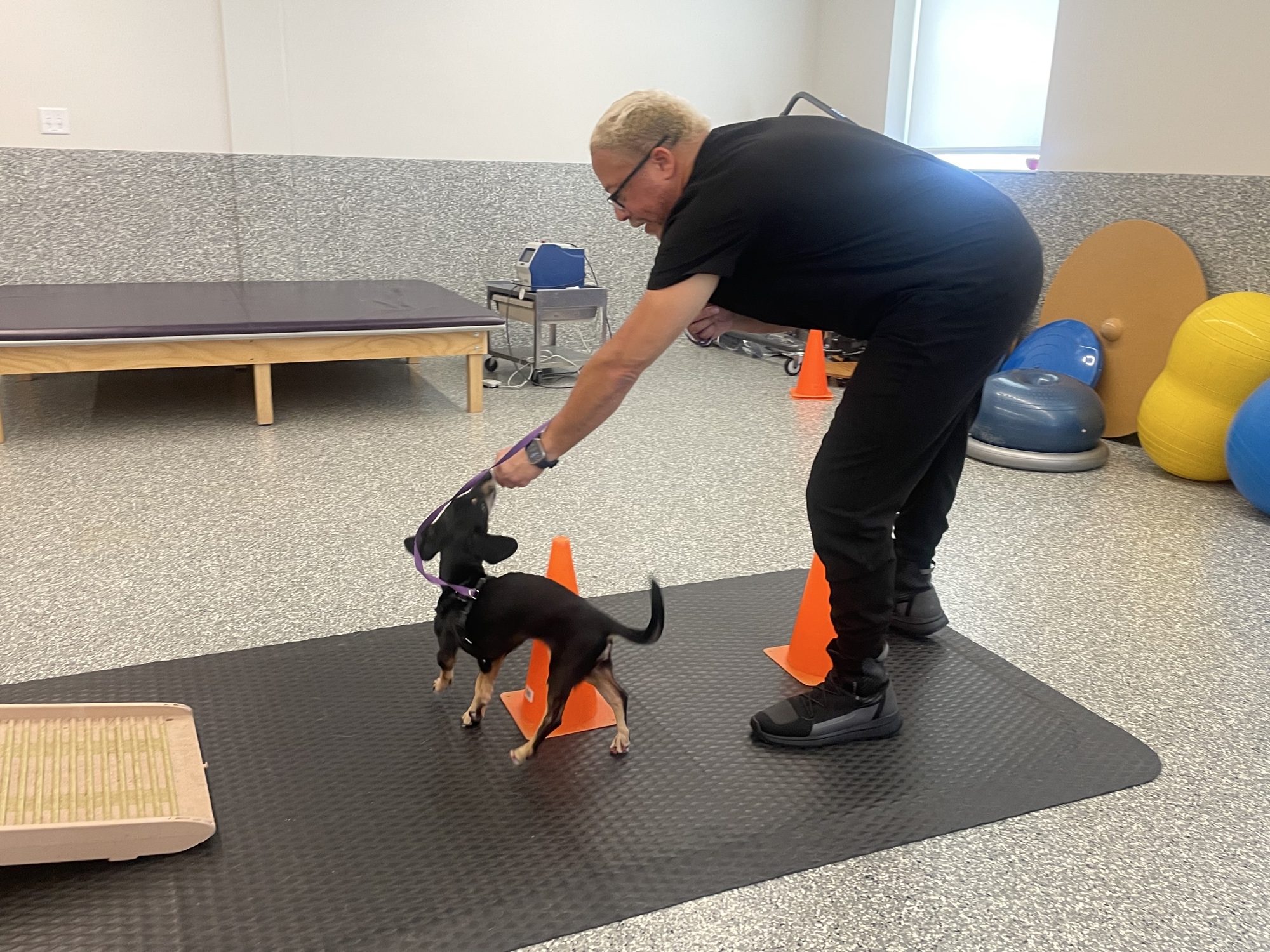
Based on your dog's assessment findings and recovery goals, we design a phased home exercise program — therapeutic exercises, controlled leash work, proprioception training, and manual therapy guidance appropriate to their stage of recovery.
03
Progress & Follow-up
Your written protocol includes progression milestones. We check in at 2 weeks, then schedule reassessments to adjust the program as your dog improves. We can communicate directly with your surgeon or vet throughout the recovery process.
Is Canine Rehabilitation Right for Your Dog?
Post-Surgical Recovery
- ✦TPLO / TTA cruciate repair
- ✦Femoral head osteotomy (FHO)
- ✦Spinal surgery recovery
- ✦Fracture repair rehabilitation
- ✦Any orthopedic procedure
Medical & Chronic Conditions
- ✦Osteoarthritis and degenerative joint disease
- ✦Hip and elbow dysplasia
- ✦Intervertebral disc disease (IVDD)
- ✦Muscle atrophy and weakness
- ✦Athletic performance support
Three Holistic House-Call Tiers
Every Canine Rehabilitation visit is delivered as an in-home Holistic House-Call. Choose the tier that fits your dog’s recovery stage.
Foundation
Movement Assessment
Initial in-home gait analysis with written home exercise program.
- Initial movement assessment
- Gait analysis report
- Written home exercise program (3–5 exercises)
- 14-day check-in call
Signature
Full Rehab Visit
Comprehensive in-home orthopedic and neurologic assessment with full protocol.
- Full orthopedic & neurologic assessment
- Customized rehab protocol
- Hands-on guided exercises
- Progress tracking
- 30-day follow-up call
Concierge
Progressive Rehab Program
6-visit progressive rehabilitation with full protocol management.
- 6-visit progressive rehab program
- Full protocol management
- Weekly progress notes
- Vet team coordination
- End-of-program summary
Travel Fee: In-home visits include a travel fee of $65–$95 within the Greater Tampa Bay area, based on distance and quoted at booking.
Canine Rehabilitation FAQ
The ideal time is as soon as your surgeon clears your dog for controlled activity — often within the first 1–2 weeks post-op. Early, gentle rehabilitation reduces muscle atrophy, prevents scar tissue formation, and establishes correct weight-bearing patterns before compensation sets in. We coordinate timing with your surgical team.
Yes. Compensatory patterns can be broken even months after surgery. It takes longer to retrain established patterns than to prevent them, but it is absolutely possible. Many of our most successful outcomes are with dogs who were written off as "recovered enough."
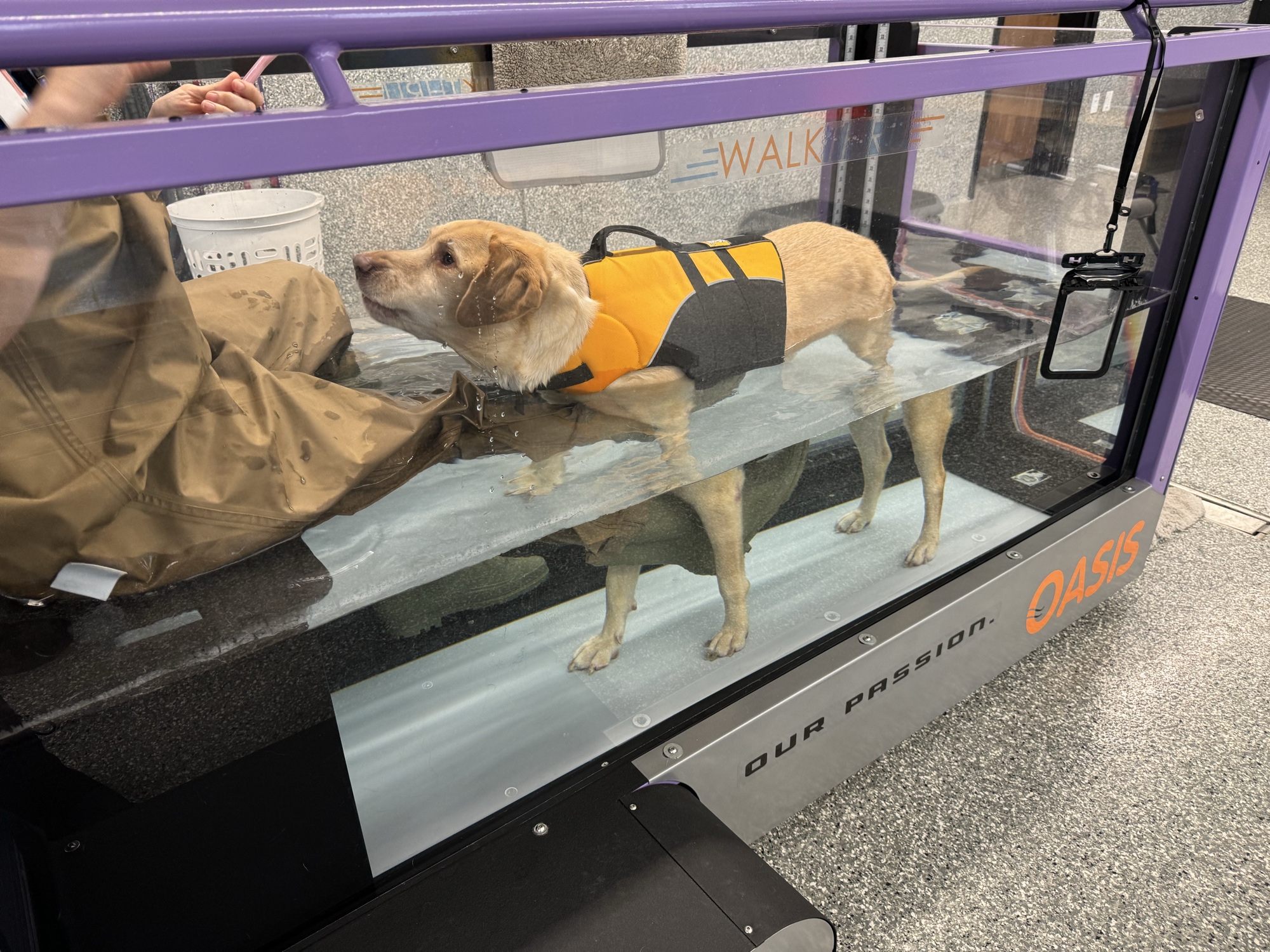
Most home exercise programs use common household items or very affordable equipment (balance discs, cavaletti poles made from PVC, wobble boards). We design programs to be practical and accessible. If specific equipment would significantly improve outcomes, we'll tell you — but we never make it a barrier.
Ready to Help Your Dog Move Better?
Book a Canine Rehabilitation Holistic House-Call — delivered in-home across the Tampa Bay area.